Tire Series – Blog 2
Welcome to Part 2 of our Tire Series! If you missed Part 1, we covered the differences between winter and all-season tires. Today, we’re shifting gears to focus on performance tires – what they are, why they’re different, and whether they’re the right choice for your vehicle. And don’t forget to check back Monday for Part 3, where we’ll dive into off-road vs. all-terrain tires!
What Are Performance Tires?
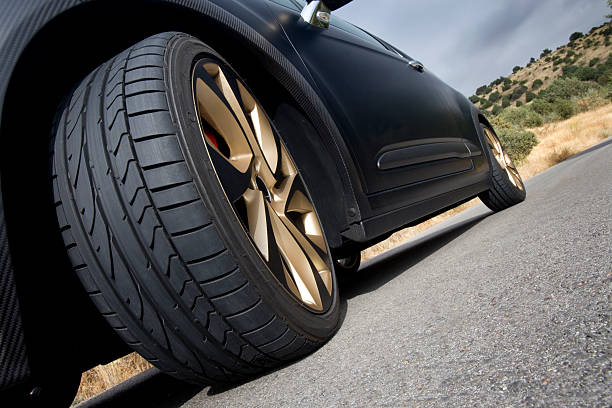
Performance tires are designed to maximize grip, speed, and handling. They’re engineered for sports cars, performance sedans, and anyone who prioritizes precision driving. Compared to standard tires, they offer superior traction and control but come with trade-offs in cost, durability, and versatility.
How Do Performance Tires Differ from Standard Tires?
(The chart below provides a general comparison based on average performance characteristics, not specific to any particular tire brand or model.)
| Feature | Performance Tires | Standard (All-Season) Tires |
|---|---|---|
| Rubber Compound | Soft, grippy for max traction | Harder for longevity |
| Tread Pattern | Aggressive, optimized for grip | Designed for versatility |
| Sidewall Design | Stiffer for sharp handling | More flexible for comfort |
| Wet Performance | Good but varies by model | Typically good for all conditions |
| Winter Performance | Poor in snow & ice | Designed for all seasons |
| Lifespan | Shorter (20k-40k miles avg.) | Longer (50k+ miles avg.) |
| Price | More expensive | More affordable |
Key Features of Performance Tires
Wider Contact Patch – More rubber meets the road, increasing grip and stability.
Low-Profile Design – A shorter sidewall reduces flex, providing sharper cornering and road feedback.
Specialized Tread Patterns – Designed to channel water efficiently, reduce hydroplaning, and maximize dry traction.
High-Speed Ratings – These tires are tested to handle higher speeds safely.
Enhanced Stopping Power – Shorter braking distances due to increased friction.
Performance tires offer an unmatched driving experience but require more attention, especially when it comes to wear and weather conditions.
What to Consider Before Buying Performance Tires
1. Higher Cost
Performance tires are made from specialized materials, making them more expensive than standard tires. A full set can cost anywhere from $600 to $1,500+ (on average), depending on the brand and size.
2. Shorter Lifespan
Due to their softer rubber compound, performance tires wear out faster than all-season or touring tires. A standard set may last 20,000-40,000 miles (on average), whereas an all-season tire could last 50,000+ miles. If you drive aggressively, expect even faster wear.
3. Poor Winter Performance
These tires do not perform well in snow or freezing temperatures. The soft rubber hardens in the cold, reducing traction. If you live in an area with harsh winters, you’ll need a separate set of winter tires.
4. Road Comfort & Noise
Performance tires provide better handling but sacrifice ride comfort. Their stiffer design means you’ll feel more of the road – great for precision, but less ideal for long, cushioned road trips. Some also produce more road noise due to aggressive tread patterns.
5. Fuel Efficiency Trade-Off
Because performance tires prioritize grip over rolling resistance, they can slightly impact fuel economy. More friction = more energy needed to move the vehicle. The difference isn’t massive, but it’s worth noting.
Are Performance Tires Right for You?
Performance tires are not for everyone, but they’re the right fit if you:
- Drive a sports car, high-performance sedan, or tuned vehicle.
- Prioritize handling, control, and cornering over longevity.
- Live in a climate where winter traction isn’t a concern (or plan to swap to winter tires).
- Don’t mind spending more on frequent replacements to maintain peak performance.
If you mostly drive on highways or need a long-lasting, all-purpose tire, you may want to consider ultra-high-performance all-season tires instead. These offer a balance of performance and longevity while still providing solid grip.
Final Thoughts: Are They Worth It?
If you love spirited driving and want the best possible grip, handling, and stopping power, performance tires are absolutely worth it. However, be prepared for higher costs, more frequent replacements, and the need for winter alternatives in colder climates.
Looking to upgrade your tires?
At KS Automotive, we can help you find the perfect set for your driving style and vehicle. Whether you need ultra-high-performance summer tires or an all-season compromise, we’ve got you covered.
Stay tuned for Part 3 of our Tire Series: Off-Road vs. All-Terrain Tires – coming Monday!
What do you think about performance tires? Have you used them before, or are you considering upgrading? Drop your questions, experiences, or tire preferences in the comments below – we’d love to hear from you!



 Grit & Gears
Leave a comment