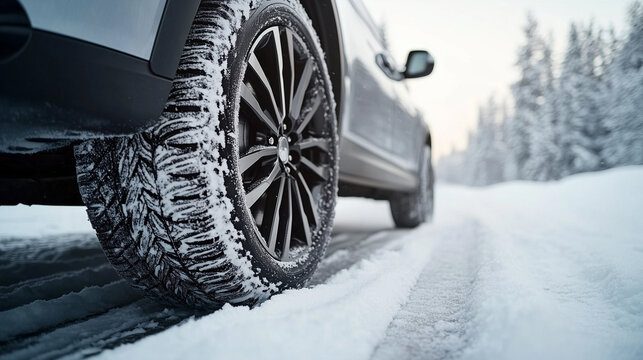
Tire Series – Blog 1
Welcome to our Tire Series, where we break down everything you need to know about the different types of tires and how they impact your driving experience. Your tires are the only part of your vehicle that touches the road, making them a crucial factor in your safety, performance, and comfort.
In this first post, we’re tackling the big question: Winter Tires vs. All-Season Tires -Which One Do You Need? We’ll discuss the differences, pros and cons, and which option best suits your climate, driving habits, and budget.
Stay tuned for the rest of our Tire Series, where we’ll cover everything from performance and off-road tires to daily driving options and decoding tire ratings -helping you make the best choice for your ride!
Now, let’s get into Winter Tires vs. All-Season Tires!
When winter rolls around, one of the most common questions my customers ask is whether they really need winter tires or if all-season tires are enough to handle the cold.
The right choice depends on multiple factors, including where you live, how often you drive, the kind of winter weather you experience, and, of course, your budget.
To help you make the best decision for your vehicle, let’s break down the key differences between winter tires and all-season tires, the pros and cons of each, and what factors to consider before making your choice.
What’s the Difference Between Winter and All-Season Tires?
Tires may all look similar, but they are engineered with different rubber compounds and tread designs that significantly impact how they perform in different weather conditions.
All-Season Tires
All-season tires are designed to be a middle ground between summer and winter tires, making them versatile enough to handle a variety of road conditions. However, this also means they are not specialized for extreme weather.
Best For:
- Drivers in areas with mild winters
- Year-round convenience (no seasonal swaps needed)
- Wet and dry road conditions
Key Features:
- Rubber Compound: Stiffer than winter tires but softer than summer tires, providing good longevity.
- Tread Design: Moderately deep grooves for decent grip in both dry and wet conditions.
- Performance: Good traction in moderate rain, dry roads, and light snow.
Where They Fall Short:
- In temperatures below 45°F, the rubber hardens, reducing traction.
- Can struggle with packed snow and icy roads.
- Longer stopping distances compared to winter tires in freezing temperatures.
Winter Tires
Winter tires are specially designed for snow, ice, and freezing temperatures. They remain flexible and provide much better grip when temperatures drop.
Best For:
- Areas with consistent freezing temperatures and snow/ice.
- Drivers who want maximum winter safety and control.
- Those who prioritize shorter braking distances in winter conditions.
Key Features:
- Rubber Compound: Made with a softer rubber that stays flexible in cold temperatures (below 45°F).
- Tread Design: Deeper grooves & biting edges for enhanced grip on snow and ice.
- Performance: Superior traction on snow, ice, and slush, with much shorter braking distances than all-season tires.
Where They Fall Short:
- Wear out quickly in warm weather.
- Require seasonal swapping and storage.
- Generally more expensive than all-season tires.
Key Factors to Consider Before Choosing Your Tires
1. Your Climate & Location
Your local climate plays a huge role in determining whether you need winter tires.
Mild Winters (Temperatures rarely drop below 45°F, occasional light snow)
- All-season tires are sufficient.
- No need for winter tires unless you frequently travel to snowy regions.
Moderate Winters (Frequent snow, freezing temperatures, icy roads)
- Winter tires are recommended for better grip and shorter stopping distances.
- If your area salts/plows roads regularly, high quality all-season tires may work.
Harsh Winters (Heavy snow, ice storms, extreme cold)
- Winter tires are a must – all-season tires won’t provide enough traction.
- If roads remain covered in snow for long periods, consider studded winter tires.
2. Your Driving Habits
- Daily Commuter? If you drive regularly in the winter, investing in winter tires is worth it.
- Occasional Driver? If you don’t drive often or can avoid harsh conditions, all-seasons may be enough.
- Long Road Trips? If you drive cross-country, consider having a dedicated winter set.
3. Budget
- All-Season Tires: $100-$300 per tire (Varies)
- Winter Tires: $150-$400 per tire (Varies)
- Additional Costs:
- Mounting & balancing ($150-$250 per season)
- Alignment – if necessary ($75-$200)
- Storage for off-season tires
- Possible need for separate wheels to make seasonal swaps easier
Pro Tip: Investing in winter tires can actually extend the life of your all-season tires by splitting the wear between two sets.
4. Road Conditions & Maintenance
- Well-Maintained Roads? If your city salts/plows roads often, all-seasons might be fine.
- Rural or Unpaved Roads? Winter tires will significantly improve traction.
Performance Comparison: Winter vs. All-Season Tires
(The chart below provides a general comparison based on average performance characteristics, not specific to any particular tire brand or model.)
| Feature | Winter Tires | All-Season Tires |
|---|---|---|
| Traction on Dry Roads | Good | Excellent |
| Traction in Rain | Excellent | Excellent |
| Traction in Light Snow | Excellent | Moderate |
| Traction in Heavy Snow | Excellent | Poor |
| Ice Handling | Excellent | Poor |
| Braking Distance on Snow/Ice | Short | Long |
| Longevity | Wears faster in warm weather | Longer lifespan |
| Convenience | Needs seasonal change | Year-round use |
Final Verdict: Which Tires Should You Choose?
Stick with All-Season Tires if:
- You live in an area with mild winters (little snow, temps rarely below freezing).
- You want one set of tires for year-round use.
- You’re on a budget and don’t want to deal with seasonal swaps.
Upgrade to Winter Tires if:
- You experience consistent snow, ice, or freezing temperatures.
- You want maximum safety, shorter braking distances, and better control.
- You’re willing to swap tires seasonally for better winter performance.
Final Thoughts
At the end of the day, safety should always be the top priority. If your region sees harsh winters, winter tires are worth the investment for better traction, control, and braking. If your winters are mild, a set of high-quality all-season tires should be sufficient.
What’s Next in Our Tire Series?
Now that you know the difference between winter and all-season tires, you might be wondering about other types of tires and how they compare. Tomorrow, we’ll dive into performance tires – what makes them different, how they impact handling, and whether they’re the right choice for your vehicle.
Make sure to check back for the next post in our Tire Series, and if you have any questions about your specific driving needs, KS Automotive is here to help!
What do you use – winter tires or all-season? Let us know in the comments! 👇


 Grit & Gears
Leave a comment